

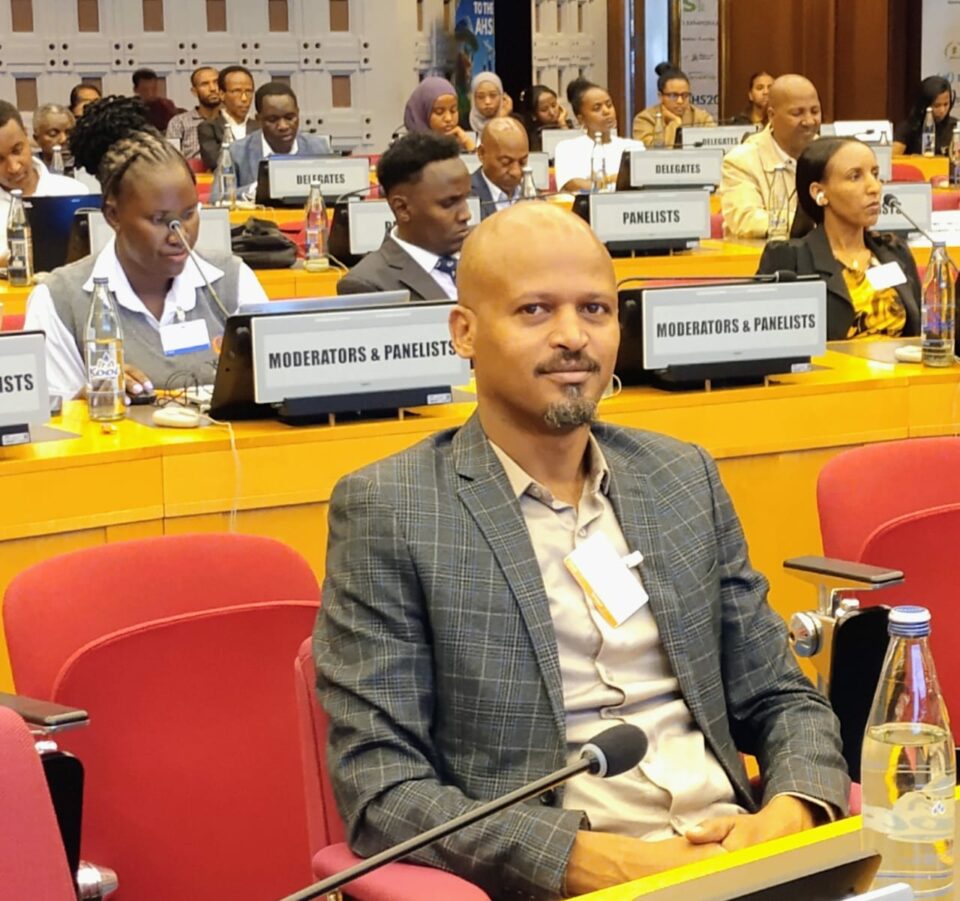


ADDIS ABABA, November 6, 2026 — African countries are stepping up efforts to strengthen energy security, accelerate renewable power development and deepen regional cooperation, as the 36th African Hydro Symposium brings together policymakers, engineers, researchers, investors and energy specialists in the Ethiopian capital.
Held from November 3 to 6 at the United Nations Economic Commission for Africa (UNECA) Conference Centre in Addis Ababa, the gathering is taking place under the theme “Climate-Resilient Hydropower and Water–Energy Security in Africa.”
The four-day symposium provides a platform for addressing some of the continent’s most pressing energy challenges, with particular emphasis on reliable electricity supply, sustainable hydropower development, investment mobilisation and stronger cross-border power cooperation.
Continental Energy Security Takes Centre Stage
One of the major highlights of the symposium is the planned launch of the African Union’s Continental Energy Security Policy Framework, approved in April 2026.
The framework represents an important step in efforts to strengthen coordination among African countries and advance a more secure, sustainable and interconnected energy future.
The programme also includes a cooperation agreement between the African Union, through the African Energy Commission (AFREC), and the Kafue Gorge Regional Training Centre (KGRTC).
The partnership focuses on professional training, renewable-energy skills development, institutional capacity building and knowledge sharing, reflecting the growing importance of African expertise in managing the continent’s energy resources.
Ethiopia’s Hydropower Experience in Focus
Ethiopia’s experience in large-scale hydropower development occupies a prominent place in the discussions, particularly through the Grand Ethiopian Renaissance Dam (GERD).
The project features in exchanges on regional electricity integration and the role of major hydropower infrastructure in shaping Africa’s future energy system.
Other significant projects under discussion include Zambia’s Batoka Gorge Hydroelectric Scheme and Tanzania’s Julius Nyerere Dam.
Together, these initiatives illustrate the scale of hydropower development across the continent and the opportunities for expanding electricity generation and regional energy cooperation.
Technology and Innovation to Improve Power Generation
Beyond infrastructure development, the symposium is examining how emerging technologies can improve the performance, reliability and sustainability of hydropower facilities.
Technical sessions address the application of artificial intelligence in hydropower operations, solar–hydro hybrid systems, digital monitoring technologies and improvements in turbine performance.
Participants are also exploring innovative approaches to electricity generation, with a focus on operational efficiency and the integration of renewable energy into existing power systems.
These discussions reflect the increasing role of technology in modernising Africa’s electricity infrastructure and improving the management of energy resources.
Mobilising Investment for Africa’s Hydropower Ambitions
Financing remains a central issue throughout the symposium, as large-scale hydropower projects require substantial investment, long-term planning and effective risk management.
Discussions cover project feasibility, investment risks, pension financing, green hydrogen and funding mechanisms for major hydropower infrastructure.
A dedicated initiative by the Development Bank of Southern Africa (DBSA), Hydro Connect Africa, is also scheduled to bring together project developers and potential investors.
The initiative aims to encourage dialogue between stakeholders involved in hydropower development and those seeking investment opportunities in Africa’s energy sector.
Climate Resilience and Environmental Protection
Environmental sustainability is another major priority, particularly as changing climate conditions place increasing pressure on water resources and electricity generation.
Experts are examining river-basin protection, water-resource management, declining river inflows, fire-risk management and operational safety at hydropower facilities.
The discussions underline the importance of developing energy infrastructure capable of responding to environmental challenges while supporting long-term electricity production.
Building African Expertise and Regional Power Markets
The symposium is also placing strong emphasis on human capital development and institutional cooperation.
Participants are discussing ways to strengthen Africa’s technical workforce, improve professional training and reinforce the institutions responsible for energy planning and management.
Regional electricity markets are receiving particular attention, including cross-border power trade, regional power pools, grid stability and renewable-energy integration.
Greater cooperation in these areas is considered essential to improving electricity access and making more effective use of available generation capacity across national borders.
Technical Visit to Ethiopia’s Koka Hydropower Plant
Alongside the technical and policy discussions, the symposium programme includes a closing gala dinner at Hilton Addis Ababa on November 5.
A technical study tour to Ethiopia’s Koka Hydropower Plant, facilitated by Ethiopian Electric Power, is scheduled for November 6.
The visit offers participants an opportunity to examine hydropower operations and exchange practical experience in electricity generation and infrastructure management.

Your voice. Your content. Your community.
Download JAPAP Messenger, create your account and tell us what you think. Share your ideas, connect with others and earn $2 for every content creator you refer who joins and publishes on JAPAP.
Download JAPAP Messenger on Google Play
Hydropower Cooperation and Africa’s Development Priorities
As African economies pursue industrialisation, infrastructure expansion and sustained economic growth, access to reliable and affordable electricity remains a fundamental development priority.
The 36th African Hydro Symposium highlights the importance of combining investment, technological innovation, environmental responsibility and regional cooperation to address these challenges.
By bringing together governments, development institutions, technical experts and investors, the Addis Ababa gathering reinforces the role of hydropower cooperation in Africa’s broader energy-security agenda.
For the continent, the challenge extends beyond increasing electricity generation. It also involves strengthening regional connections, developing African expertise and building energy systems capable of supporting economic development over the long term.
By Eyob Salemot | International Correspondent
RussAfrik — African News & International Affairs
